Three things happened at the same time: the pandemic locked us all down, AI began to enter our everyday lives, and in the spring of 2021, I rode 1,600 kilometers by bicycle, alone, through four countries. That journey, in the middle of the lockdown, was a survival decision, not a “project” or a protest. It was a way not only to fill my lungs freely again, but to escape the restrictions and a dystopian urban landscape of faces that no longer let themselves be observed.
The journey was also an inner one. Every night I slept alone in a different forest. My only company was distance, mental noise, and the silence of the trees, imposing shadows barely visible at midnight. If the Monas and Tent Visions series were born out there, outside, the Post-COVID series is the inner record: what happened to me inside, when the interruption was total. But, as always, I don't believe stories, and mine even less. That is reflected in the procedure of this series of almost one hundred drawings.
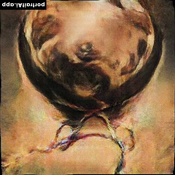
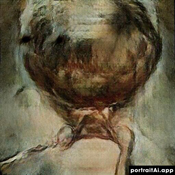
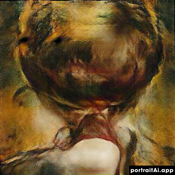
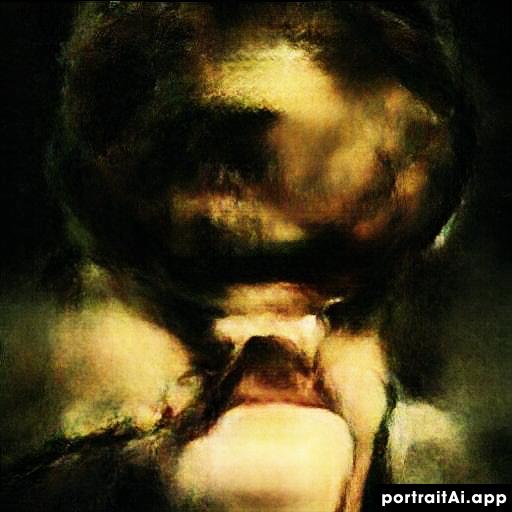
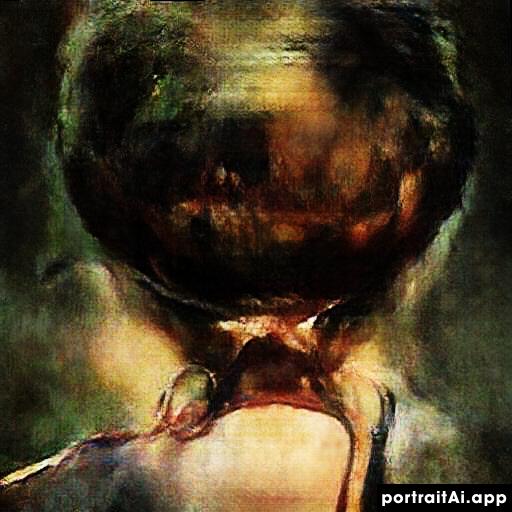
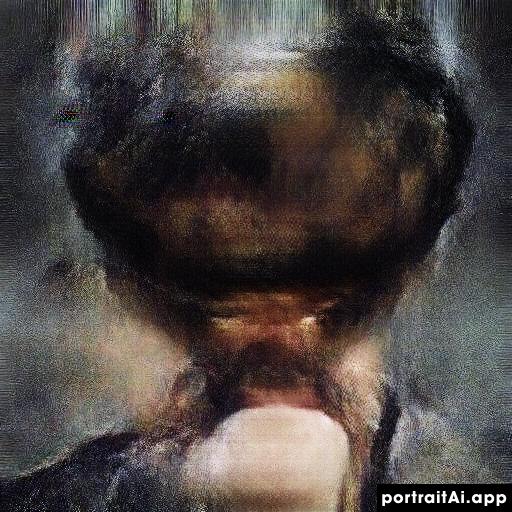
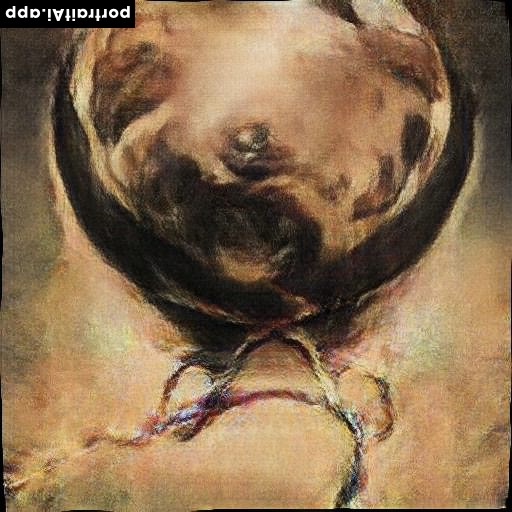
One of the first AI portrait apps used a now-outdated technology. Judging by the traces it left in its images, it was probably a GAN: trained on classical European portraits, it transformed users' selfies into 18th-century-style portraits, all of white people, almost plagiarized from a European museum. With a selfie, the app returned four finished portraits, with few differences between them, for the happy user to choose from. I, on the other hand, forced it into an anti-pareidolia: searching for patterns where there were none. Its first four output images were neither objects nor faces anymore. I saved one and fed it back as the source image, and with each round it became easier for the app to find its patterns.
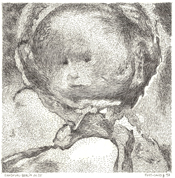
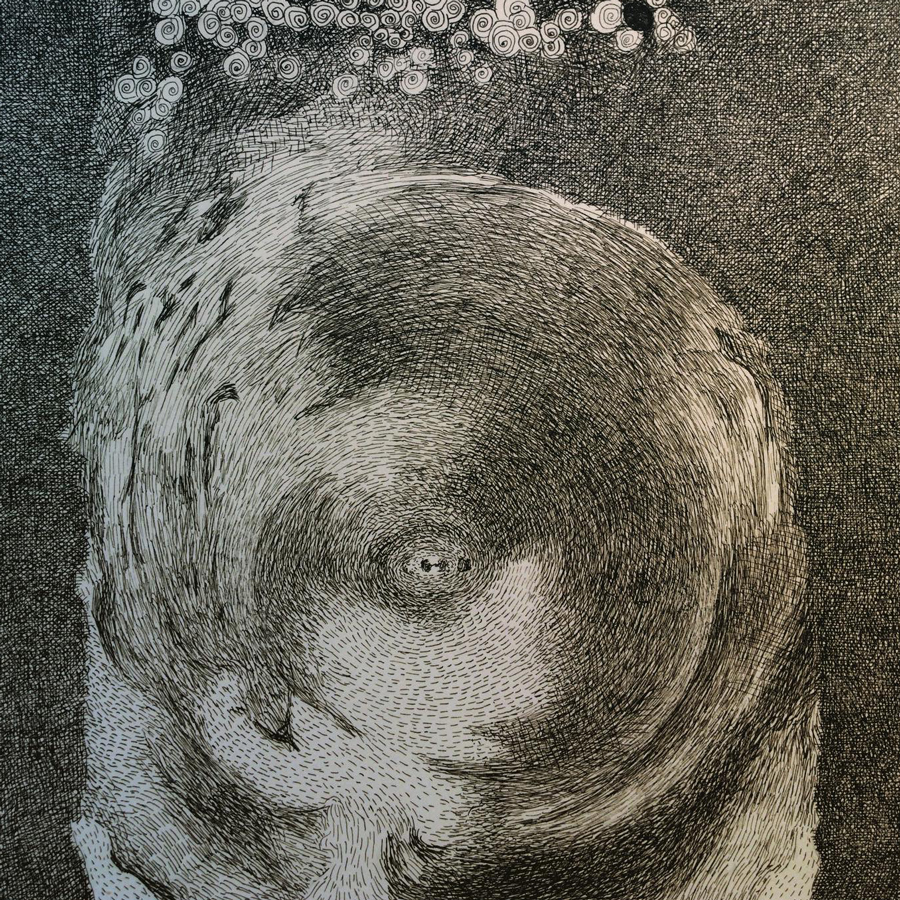
But I didn't believe this story either: I stopped the iterative process, chose the most interesting image, and then transduced it into ink, in lavish detail, in work that was at once obsession and introspection. My stroke entered exactly at the point where I aborted the algorithm's fetus-form. An anti-pareidolia that turned into anti-morphosis. Of course, I neither fully transformed nor reinvented myself, yet I am not the same either: linear autobiography breaks halfway, and it is halfway where I feel most firmly planted.
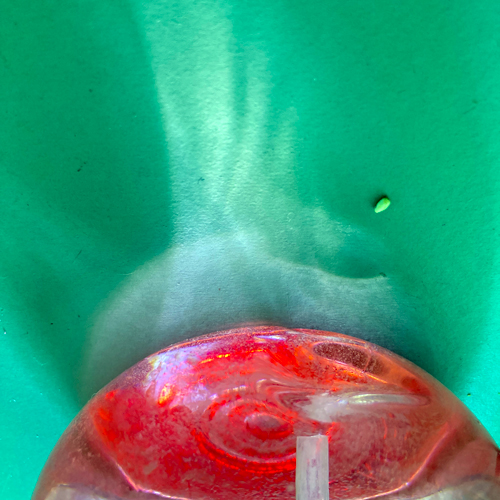
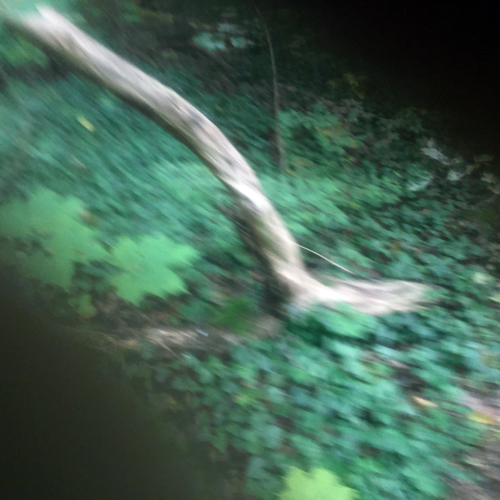
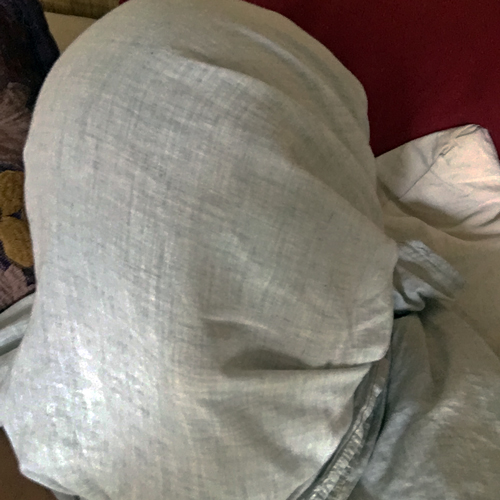
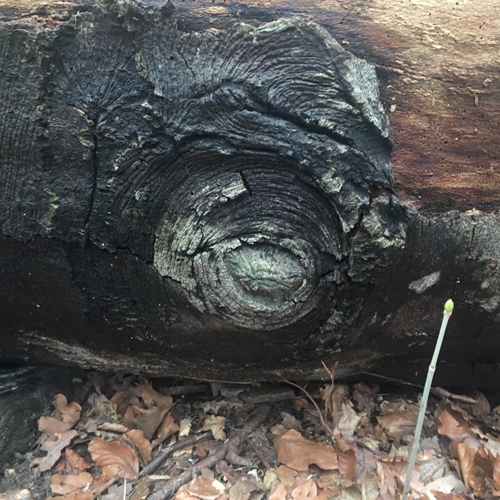
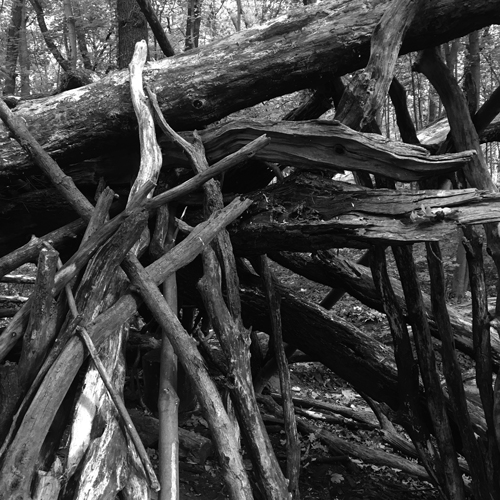
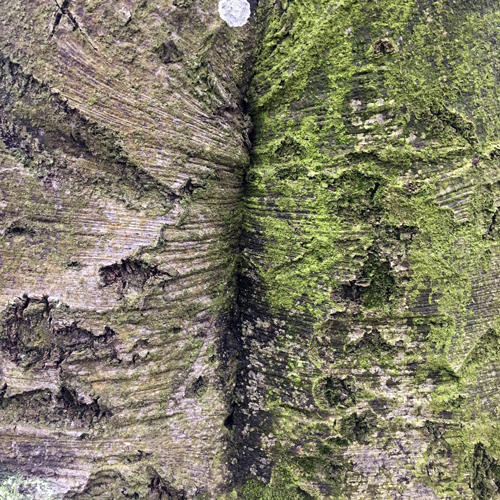
CS: MOTHER CELLS, MADE TO FEED THE APP
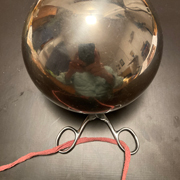
While the technological mediation began with the app, photography entered the process almost involuntarily. With use, I learned to predict, if only partly, how the app (PortraitAI) would interpret my photos. I began photographing textures, composing and manipulating found objects that could serve as mother cells. Since the app influenced the way I photographed, the drawing actually began with the photo. But from the start, the app was just one more tool, like the objects themselves, the camera, the paper, and the ink: together they formed a non-hierarchical field.
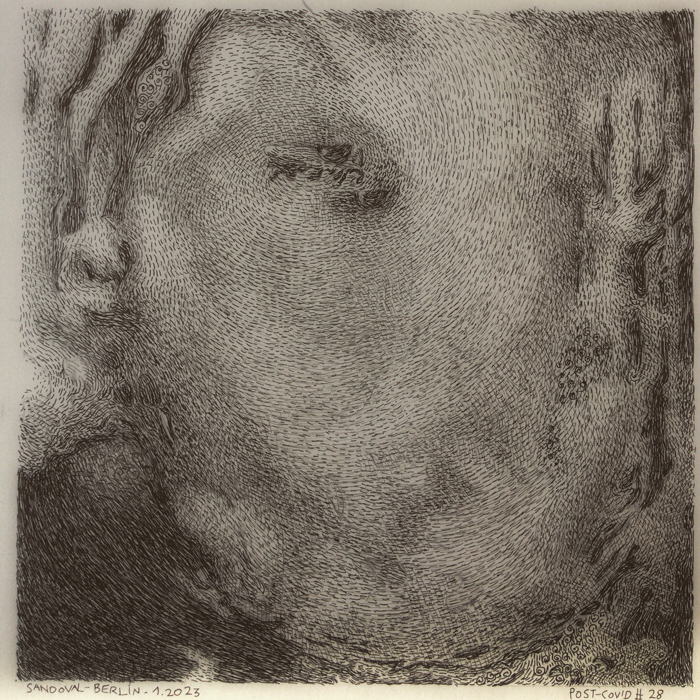
CS: POST-COVID #28, BASED ON THE THIRD MOTHER CELL
Defossilization?
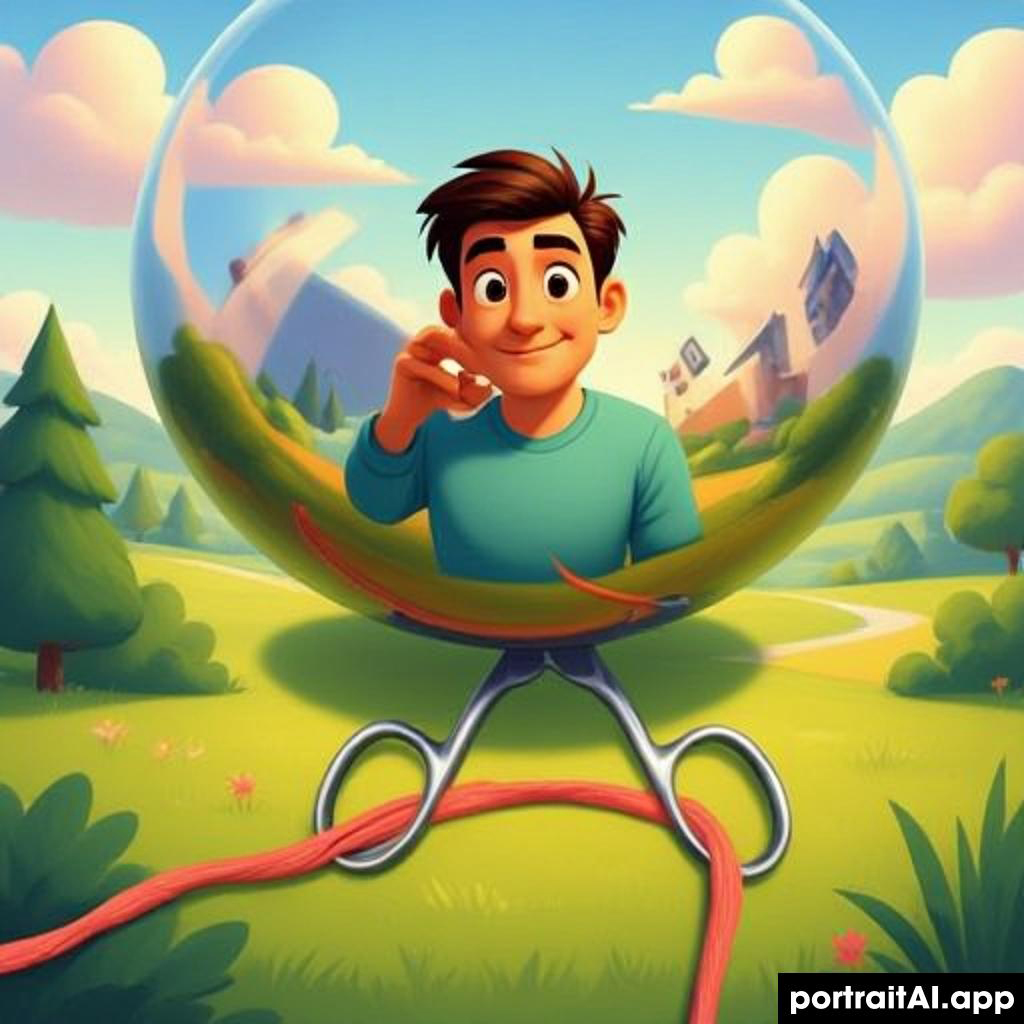
After finishing the series, I kept playing with the app while waiting somewhere: I photographed whatever was in front of me to challenge it to find faces, until I discovered its "upgrade". And that upgrade came in 2026. The new version runs through several steps on its own, bringing the image closer to a face. If its detector cannot find one with enough certainty (although I see a "future face" in my photos, my "mother cells"), it no longer lets me choose among four half-formed attempts: it cuts the process and superimposes a generic face over the intermediate state. In this way, whether for ethical, market-oriented, or financial reasons, the company built in something my procedure had anticipated: abruptly cutting the metamorphosis. What it added on its own was replacing the Eurocentric portrait it used to arrive at with an out-of-context image.
The traces of the Post-COVID series (the photos, the interrupted app sequences, and the drawings themselves) became the only testimony of how that version of PortraitAI worked as a whole: some steps still survive, buried under the new version, but not its destination. And perhaps for a reason. In the app's reviews, a user wrote: "Apparently the AI is racist: my African-American friends all turn white. It's problematic, the message seems clear: 'Black is bad, white is good.' Only white is normal and desirable." The company itself acknowledged this on the same App Store page, apologizing because its AI had been trained mostly on portraits of people of European ethnicity. The debate is not limited to this case: AI has been accused not only of racism, but of neocolonialism, conformism, biased opinions, and half-truths. But that is another topic; here we will talk about defossilization.
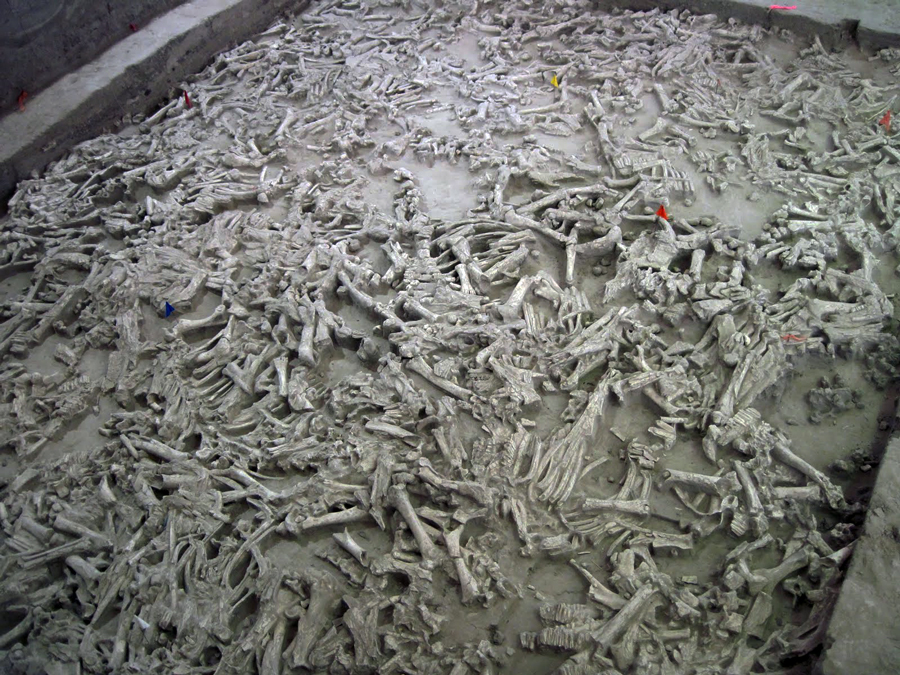
I do not use the word "fossil" lightly: in paleontology, body fossils are the remains of an organism's body; trace fossils are traces of its activity; and molds and casts preserve its form in another material once the body is gone. In this series, the body, that version of PortraitAI, no longer exists: only a few scattered steps remain, buried under the new version, like fragments of a skeleton. The interrupted sequences I saved are its trace fossils: traces of how it moved, imprinted on my photos as on sediment. And the drawings are molds: they preserve its form in another material, ink on paper, more durable than any digital file.