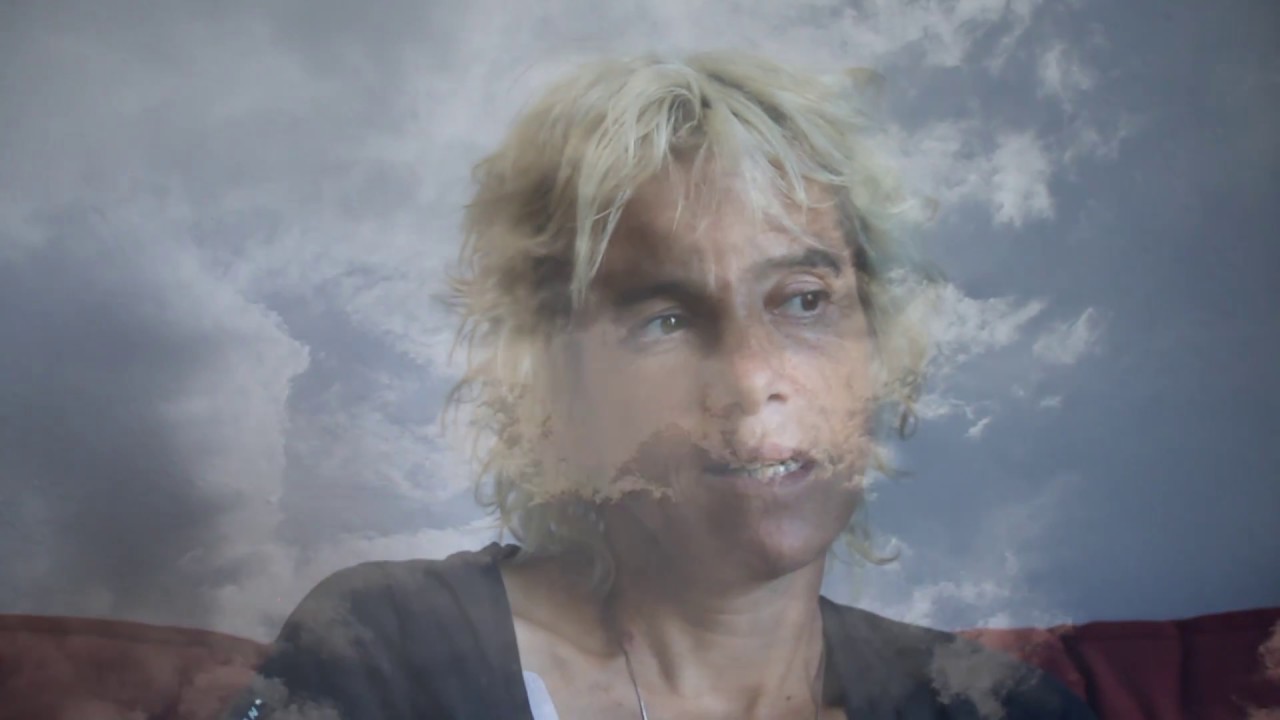
Interviewing a terminally ill person about her own death is not, by any measure, a correct or considerate request. It could fairly be called low, even vile. And if the request is made in Germany, the country where death is taboo, it might be worse. But Ursula, my dear friend, was apparently neither "German," nor anyone ordinary. She agreed because, as she told me, "Let's do it. It's time my country started talking about this."
Three months of interviews (at her home, at the radiation clinic, at her hospice: my questions followed her along her path toward death, and she always received them open, patient, direct). I am not a journalist, but perhaps, as a Mexican — and here I lean on a damned cliché — I carry some natural ease around death that may have made her more comfortable. I was never a counselor, never an interrogator, never in search of her truth. I asked questions; we talked in the most natural, relaxed way. As a cameraman, the only thing I asked of her was that she never look into the lens — that would have cast her as a narrator, and I wanted her to never stop talking to herself.
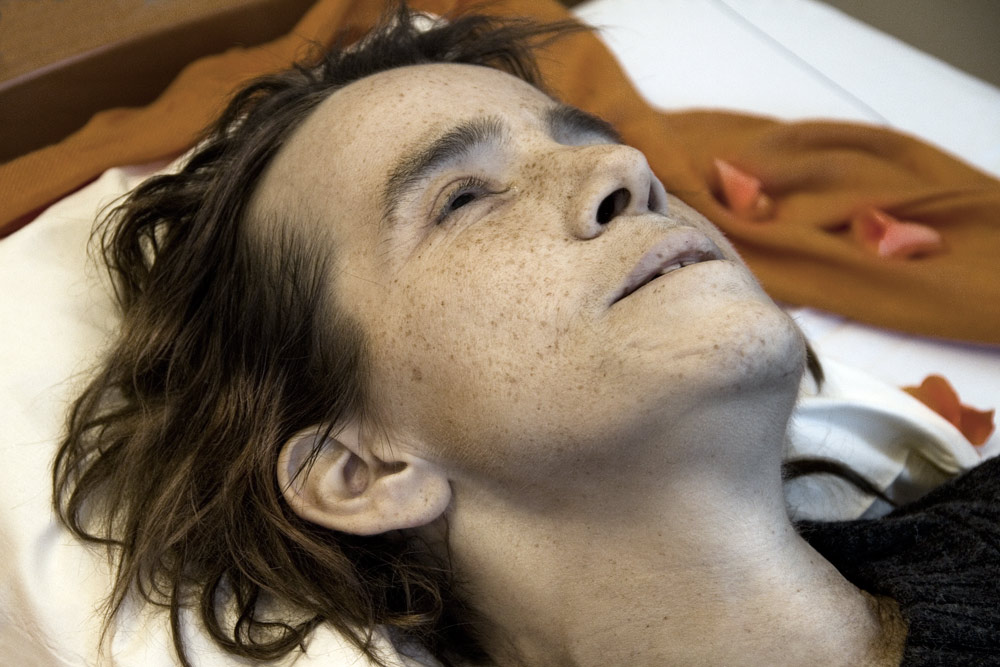
The day she died, after a long, anguished, and painful agony, her brother called me. Ursula had made her two brothers swear that they would let me film her after her death. They kept that promise fully, though they only understood it once they saw this film. That is why the phone call that appears in the film is reenacted — I had no way of knowing when the real call would come, so I reconstructed it afterward: "Carlos, Ursula has died. You need to come as soon as possible. We can wait two hours — after that the family will arrive, and it will be too late." I knew the end was near. My bag was already packed. I took everything and rode the subway to her last bed.
Between that journey to the hospice and the process of editing the film, I began to understand two parallel trajectories that touched me deeply: my journey-encounter toward her dead face, and my own journey, still alive, but toward my own death. This film, more than that supposed Mexican-death bond we Mexicans are assumed to carry — an unfortunate cliché, if there ever was one — reconciled me, not only with her death, but with my own.
Ursula died on December 9, 2010.
In 2017, the Deutsches Hygiene-Museum Dresden found the film while researching material for "Das Leben endet – ein Sterben in Würde" ("Life Ends – Dying with Dignity"), part of their Ethische Diskurse program for teenagers — roughly twenty participants, twenty to thirty sessions a year. Hundreds of teenagers saw the film. This had been Ursula's wish all along.
The film remains online at its original resolution — modest, almost deliberately so, a matter of pride not to over-produce it. It has been watched more than 72,000 times.